Club Car Maintenance Manual PDF: A Comprehensive Guide
Accessing a free Club Car owner’s manual as a PDF is possible via the official Club Car website, requiring vehicle details for download.
Regular maintenance is paramount for ensuring the longevity, safety, and optimal performance of your Club Car. Whether you own a gas or electric model, proactive care prevents costly repairs and maximizes your investment. The official Club Car maintenance manual, readily available as a PDF download from the Club Car website, serves as your primary resource.
This comprehensive guide details preventative measures, routine checks, and advanced repair procedures. Obtaining the manual requires providing your vehicle’s serial number and contact information. Consistent adherence to the outlined maintenance schemes is not only crucial for vehicle safety but also for upholding the validity of your Club Car warranty. Prioritizing maintenance translates to a reliable and enjoyable ownership experience.
Why a Maintenance Manual is Crucial
A Club Car maintenance manual is absolutely crucial for several key reasons. Firstly, it provides a structured approach to preventative maintenance, minimizing the risk of unexpected breakdowns and expensive repairs. Secondly, following the manual’s guidelines ensures your vehicle operates safely and efficiently, protecting both the operator and passengers.
Furthermore, strict adherence to the recommended maintenance schedule is often a prerequisite for maintaining your Club Car’s warranty. The manual details specific procedures for both gas and electric models, covering everything from fluid level checks to engine and electric system upkeep. Accessing the PDF version from the Club Car website offers convenient, readily available guidance for all owners.
Locating the Official Club Car Maintenance Manual PDF
The primary source for the official Club Car Maintenance Manual PDF is the Club Car website itself. Downloading this resource is generally free, offering a convenient reference for owners. However, the process typically requires providing specific vehicle information, including your name, email address, and crucially, the vehicle’s serial number.
This information allows Club Car to ensure you receive the correct manual for your specific model. While printed copies of owner’s and operator’s manuals, as well as illustrated parts lists, can be purchased through authorized Club Car dealers, the PDF version provides immediate access to essential maintenance guidance.
Essential Maintenance Checks
Regular preventative maintenance, as detailed in the user manual, ensures vehicle safety and upholds warranty validity for your Club Car.
Daily/Pre-Operation Checks
Before each use, a quick inspection is vital for safe operation. This includes verifying proper tire inflation, ensuring all lights are functioning correctly, and checking fluid levels if applicable to your model – gas or electric.
Inspect the steering for any unusual play or looseness. Confirm the brakes engage smoothly and effectively. For electric models, a visual check of the battery connections is crucial, looking for corrosion or damage.
These simple daily checks, outlined in the owner’s manual, can prevent minor issues from escalating into more significant repairs, extending the life of your Club Car and ensuring a reliable experience. Consistent adherence to these steps promotes both safety and longevity.
Fluid Level Checks (Oil, Coolant, Brake Fluid)
Regularly monitoring fluid levels is paramount for optimal performance. For gasoline models, check the engine oil using the dipstick, ensuring it falls within the recommended range – consult your Club Car maintenance manual PDF for specifics. Inspect the coolant level in the reservoir, adding the appropriate coolant mix if needed.
Brake fluid levels should also be checked, though typically less frequent. Low brake fluid can indicate a leak in the system, requiring immediate attention. Always use the brake fluid type specified in the manual.
Maintaining correct fluid levels prevents damage to vital components and ensures the vehicle operates safely and efficiently. Refer to the manual for detailed instructions and recommended fluid types.
Tire Condition and Pressure
Proper tire maintenance significantly impacts vehicle handling, ride quality, and tire lifespan. Regularly inspect tires for wear, cuts, and bulges. Uneven wear patterns can indicate alignment issues or improper inflation. The Club Car maintenance manual PDF details recommended tire pressure – crucially, use a reliable tire pressure gauge.
Under-inflated tires reduce fuel efficiency and increase the risk of damage, while over-inflated tires can lead to a harsh ride and reduced traction. Check tire pressure when tires are cold for accurate readings.
Adhering to the recommended pressure ensures optimal performance and safety. Rotate tires periodically, as outlined in the manual, to promote even wear.
Battery Inspection and Maintenance
For electric Club Car models, battery health is paramount. The maintenance manual PDF stresses regular inspection of battery terminals for corrosion; clean with a baking soda solution and water. Check electrolyte levels – if applicable – and add distilled water only, as specified in the manual.
Proper charging procedures are vital; follow the manual’s guidelines to avoid overcharging or undercharging. Inspect battery cables for damage and replace as needed.
Regularly assess the overall condition of the battery pack. A load test, performed by a qualified technician, can determine battery capacity and identify failing batteries. Maintaining batteries extends their lifespan and ensures optimal vehicle performance.
Routine Maintenance Procedures
The Club Car manual PDF details essential procedures like oil changes, spark plug replacements, and battery charging, ensuring optimal vehicle function and longevity.
Engine Maintenance (Gas Models)
For gas-powered Club Car models, the maintenance manual PDF emphasizes regular engine upkeep for peak performance. Crucially, it details procedures for oil changes and filter replacements, specifying oil types and replacement intervals to maintain engine health.
The manual also provides comprehensive guidance on spark plug inspection and replacement, outlining the correct spark plug type and gap settings. Following these recommendations prevents misfires and ensures efficient combustion. Consistent adherence to the outlined maintenance schemes, as detailed in the user’s manual, is paramount for upholding the vehicle’s warranty and achieving the highest levels of safety and operational reliability. Preventative maintenance is key!
Oil Changes and Filter Replacements
The Club Car maintenance manual PDF stresses the importance of regular oil changes and filter replacements for gas engine longevity. It details specific oil types recommended for optimal performance, considering climate and operating conditions. The manual outlines a step-by-step process for draining the old oil, replacing the oil filter, and refilling with the correct amount of fresh oil.
Proper filter replacement is equally crucial, preventing contaminants from circulating through the engine. Following the recommended intervals, as stated in the manual, ensures efficient lubrication and minimizes engine wear. Consistent maintenance, as per the manual’s guidelines, is vital for warranty validity and maximizing the vehicle’s lifespan.
Spark Plug Inspection and Replacement
The Club Car maintenance manual PDF provides detailed instructions for inspecting and replacing spark plugs in gas-powered models. Regular inspection is key to identifying wear, fouling, or damage that can impact engine performance. The manual specifies the correct spark plug type and gap settings for optimal combustion.
Replacement procedures are clearly outlined, including torque specifications for secure installation. A properly functioning spark plug ensures efficient fuel ignition, contributing to smooth operation and reduced emissions. Adhering to the manual’s recommended replacement intervals prevents potential engine issues and maintains warranty coverage. Consistent spark plug maintenance, as detailed in the PDF, is essential for reliable performance.
Electric System Maintenance (Electric Models)
The Club Car maintenance manual PDF emphasizes the importance of proper electric system upkeep for longevity and performance. It details battery charging procedures, stressing the use of approved chargers and avoiding overcharging, which can damage the batteries. Regular inspection of the motor brushes and commutator is crucial; the manual provides guidance on assessing wear and replacing components as needed.
Preventative maintenance outlined in the PDF includes checking wiring connections for corrosion and ensuring proper functionality of the charging system. Following these guidelines maximizes battery life, maintains optimal motor efficiency, and prevents unexpected electrical failures. Consistent adherence to the manual’s recommendations is vital for a reliable electric Club Car.
Battery Charging Procedures
The Club Car maintenance manual PDF provides detailed battery charging procedures vital for electric model performance. It stresses using only Club Car-approved chargers to prevent damage and ensure optimal charging cycles. The manual advises against overcharging, which can significantly reduce battery lifespan and potentially create safety hazards.
Proper charging involves ensuring batteries are fully charged after each use and periodically performing equalization charges as recommended. The PDF outlines specific charging times based on battery discharge levels. Following these guidelines maximizes battery capacity, extends battery life, and maintains the overall health of the electric system, contributing to reliable operation.
Motor Brushes and Commutator Inspection
The Club Car maintenance manual PDF details the importance of regularly inspecting motor brushes and the commutator in electric models. Worn brushes cause reduced performance and potential motor damage, so periodic checks are crucial. The manual outlines the correct procedure for removing and inspecting brush length, recommending replacement when they reach a specified minimum length.
Commutator inspection involves checking for smoothness, cleanliness, and any signs of arcing or damage. The PDF advises cleaning the commutator with a specialized commutator cleaning stone if necessary. Proper brush and commutator maintenance ensures efficient motor operation, prevents costly repairs, and extends the lifespan of the electric powertrain.
Brake System Maintenance

The Club Car maintenance manual PDF emphasizes the critical role of brake system upkeep for safety and performance. It details procedures for inspecting brake pads for wear, outlining replacement guidelines to maintain optimal stopping power. Regular inspection prevents damage to rotors and ensures consistent braking force.
Furthermore, the manual covers brake fluid flushing, a vital process to remove contaminants and moisture that can compromise braking efficiency. It specifies the recommended brake fluid type and flushing intervals. Adhering to these maintenance schedules, as outlined in the PDF, guarantees a reliable braking system, contributing to safe operation and upholding warranty validity.
Brake Pad Inspection and Replacement
The Club Car maintenance manual PDF provides detailed instructions for brake pad inspection, stressing the importance of checking for adequate friction material. It outlines visual cues indicating wear, such as reduced pad thickness and scoring on the pad surface. The manual specifies the correct procedure for removing the wheels and calipers to access the brake pads.
Replacement instructions include torque specifications for caliper mounting bolts and guidance on bedding-in new brake pads for optimal performance. Following these steps, detailed within the PDF, ensures safe and effective braking. Proper replacement maintains stopping power and prevents damage to rotors, contributing to overall vehicle safety and longevity.
Brake Fluid Flushing
The Club Car maintenance manual PDF emphasizes the necessity of periodic brake fluid flushing to remove contaminants and moisture, which degrade braking performance. It details the recommended fluid type – crucial for compatibility with the braking system – and specifies the flushing interval based on usage conditions. The manual illustrates the correct bleeding sequence for each brake caliper, ensuring all old fluid is expelled.
Detailed instructions cover connecting bleed hoses, opening and closing bleed screws, and monitoring fluid levels during the process. Proper flushing, as outlined in the PDF, prevents corrosion within the brake lines and maintains optimal hydraulic pressure, contributing to reliable and safe braking functionality.
Advanced Maintenance & Repairs
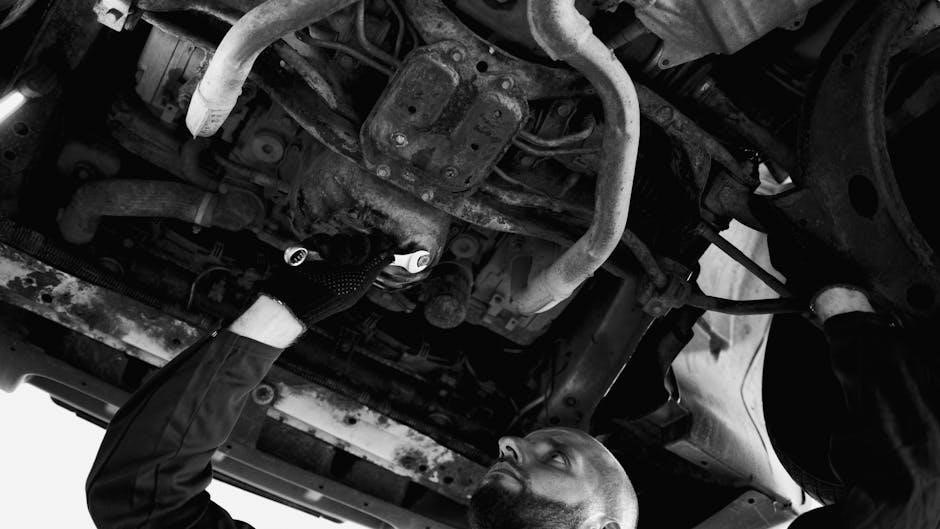
The Club Car manual PDF guides users through complex repairs, including steering, suspension, and chassis lubrication, for optimal vehicle performance.
Steering System Maintenance
Maintaining the Club Car’s steering system, as detailed in the maintenance manual PDF, is crucial for safe operation. Regular inspection should focus on tie rod ends, steering linkages, and the steering gear box itself. The manual emphasizes checking for any looseness or wear in these components, as these can significantly impact handling and control.
Lubrication of steering components, where applicable, is also outlined, ensuring smooth and responsive steering. The PDF provides guidance on identifying potential issues like excessive play in the steering wheel or unusual noises during turns. Addressing these promptly, following the manual’s instructions, prevents more significant and costly repairs down the line, upholding vehicle safety and performance.
Suspension System Inspection
The Club Car maintenance manual PDF stresses the importance of regular suspension system inspections. This includes examining springs, shock absorbers, and all mounting points for signs of wear, damage, or corrosion; The manual details how to check for proper spring compression and shock absorber functionality – ensuring they effectively absorb impacts and maintain vehicle stability.
Inspect bushings and joints for deterioration, as these contribute to ride quality and handling. The PDF guides users in identifying worn components that may cause vibrations or uneven tire wear. Maintaining a properly functioning suspension system, as outlined, is vital for passenger comfort, vehicle control, and overall safety during operation, preventing potential hazards.
Chassis Lubrication
The Club Car maintenance manual PDF emphasizes regular chassis lubrication as a preventative measure against wear and corrosion; It specifies lubrication points, including steering components, suspension pivot points, and the frame itself. The manual details the recommended type of lubricant to use – often a high-quality grease – and the frequency of application based on operating conditions.
Proper lubrication reduces friction, ensuring smooth operation and extending the lifespan of critical chassis parts. The PDF provides guidance on applying lubricant effectively, avoiding over-greasing which can attract dirt and debris. Consistent chassis lubrication, as per the manual’s instructions, contributes significantly to vehicle reliability and minimizes the need for costly repairs down the line.
Troubleshooting Common Issues
The Club Car maintenance manual PDF dedicates a section to diagnosing frequent problems. It outlines troubleshooting steps for starting difficulties, potentially involving battery checks, fuel system inspection (gas models), or electrical connection verification (electric models). Charging issues are addressed, guiding users through assessing battery health, charger functionality, and wiring integrity.
The manual provides a systematic approach to identifying the root cause of these issues, rather than simply replacing parts. Flowcharts and diagrams aid in the diagnostic process. It stresses the importance of safety precautions when performing any troubleshooting, and recommends consulting an authorized dealer for complex repairs beyond the scope of the manual’s guidance.
Starting Problems
The Club Car maintenance manual PDF details troubleshooting for starting issues, differing based on model type. For gas models, it suggests checking fuel levels, spark plug condition, and the air filter. Electrical connections and the starter solenoid are also highlighted as potential culprits.
Electric models require focusing on battery charge, cable connections, and the operation of the drive motor. The manual emphasizes verifying the proper function of the accelerator pedal and the forward/reverse switch. It advises against continuous attempts to start if the engine or motor fails to engage, to prevent further damage, and recommends professional diagnosis if the problem persists.
Charging Issues
The Club Car maintenance manual PDF addresses charging problems in electric models, starting with verifying the charger’s functionality. It instructs users to inspect the charger’s AC input power, the DC output voltage, and the charging cable for damage. Battery condition is crucial; the manual details proper electrolyte levels (if applicable) and terminal cleanliness.
Further troubleshooting involves checking the battery pack’s overall voltage and individual cell voltages. A faulty charge receptacle or a damaged charging system within the vehicle can also cause issues. The manual cautions against using incompatible chargers and stresses the importance of following recommended charging cycles to maximize battery life and prevent overcharging.

Understanding the Club Car Warranty
Adhering to maintenance schemes detailed in the Club Car user’s manual is vital for upholding warranty validity and ensuring vehicle safety.
Maintenance Requirements for Warranty Validity
To maintain your Club Car’s warranty, strict adherence to the maintenance schedule outlined in the official owner’s manual is paramount. Preventative maintenance, as detailed within, isn’t merely suggested – it’s a requirement. This includes regular servicing, utilizing specified parts, and documenting all maintenance performed. Failure to comply with these stipulations can unfortunately void your warranty coverage.
The manual provides specific intervals for tasks like oil changes (gas models), battery inspections (electric models), and fluid level checks. Keeping detailed records of completed maintenance, including dates and services performed, is strongly advised as proof of compliance. Contacting an authorized Club Car dealer for servicing further ensures adherence to warranty guidelines and proper vehicle upkeep.
Contacting Club Car Support
For direct assistance with your Club Car, or to clarify any points within the maintenance manual, reaching out to Club Car support is essential. The most effective method is to connect with your local, authorized Club Car dealer. They possess specialized knowledge and can provide tailored guidance for your specific vehicle model.
Alternatively, you can explore the official Club Car website for contact information and support resources. While the website offers downloadable manuals, direct communication with a dealer or Club Car representative ensures accurate and up-to-date information regarding warranty claims, parts inquiries, or complex maintenance procedures. Promptly addressing concerns through official channels safeguards your vehicle’s performance and warranty validity.
Resources and Parts Information
To purchase manuals, parts lists, or accessories, contact your local authorized Club Car dealer for both digital and printed options.
Finding Authorized Club Car Dealers
Locating an authorized Club Car dealer is crucial for obtaining genuine parts, accessing professional service, and ensuring your vehicle receives the correct maintenance. The Club Car website provides resources to help you find a dealer conveniently located near you. These dealers offer expertise in all aspects of Club Car vehicles, from routine maintenance procedures detailed in the owner’s manual to more complex repairs.
Authorized dealers can also assist with warranty claims, ensuring your vehicle remains covered according to the manufacturer’s guidelines. They stock a comprehensive inventory of parts and accessories, simplifying the process of keeping your Club Car in optimal condition. Utilizing an authorized dealer guarantees quality service and genuine Club Car components, protecting your investment and maximizing vehicle performance.
Ordering Parts and Accessories
To purchase genuine Club Car parts and accessories, contacting your local authorized Club Car dealer is the recommended approach. They can provide expert advice, ensuring you select the correct components for your specific vehicle model and maintenance needs, as outlined in the maintenance manual. Alternatively, some dealers may offer online ordering options through their websites, providing a convenient way to acquire parts.
When ordering, having your vehicle’s serial number readily available is essential for accurate part identification. Illustrated Parts Lists, often available through the dealer or potentially as a digital purchase, can further assist in locating the correct components. Using genuine Club Car parts guarantees compatibility and maintains the vehicle’s performance and warranty validity.