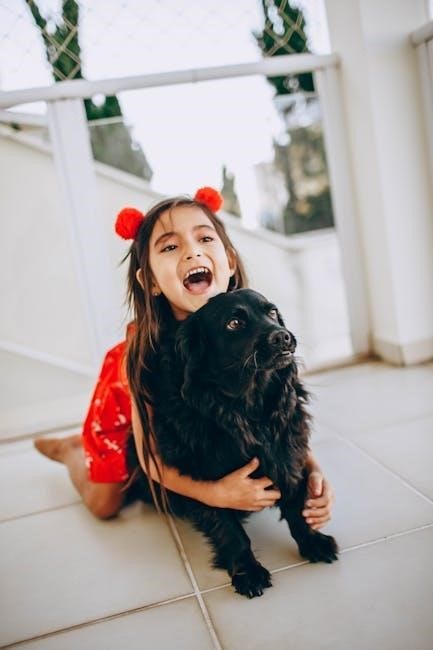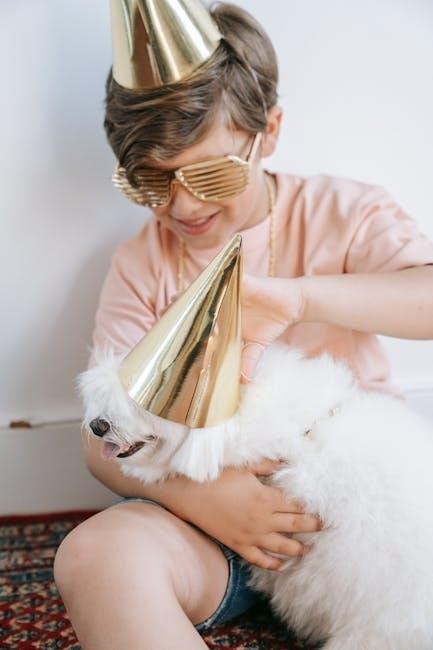
Dogs are wonderful animals! Selecting a canine companion for your family is a big decision, impacting daily life. Many breeds offer friendliness, playfulness, and kindness, making them ideal pets.
What is a Dog?
Dogs are amazing mammals that have lived alongside humans for thousands of years! They belong to the family Canidae, which also includes wolves, foxes, and jackals. But dogs aren’t just wild animals tamed – they’ve been specifically bred by people to help us in many different ways.
Throughout history, dogs have assisted with hunting, guarding homes, and providing companionship. Today, they continue to be loyal friends and helpful partners. They come in a huge variety of sizes, shapes, and colors – from tiny Chihuahuas to giant Great Danes!
Dogs have incredible senses, especially smell, which is much stronger than ours. They communicate through barking, whining, and body language. Understanding these signals is key to building a strong bond with your furry friend. Choosing the right breed for your family is important, considering temperament and energy levels.
Why are Dogs Great Companions?
Dogs truly are man’s (and kid’s!) best friend! They offer unconditional love and companionship, making them fantastic family members. A dog can be a playful buddy, always up for a game of fetch or a cuddle on the couch. They provide comfort and can even help reduce stress.
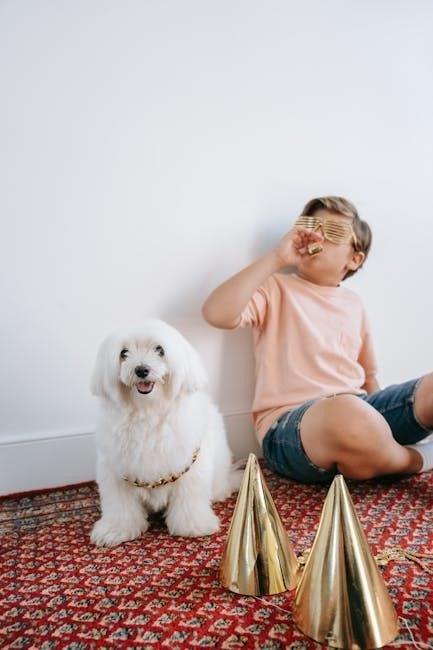
Having a dog encourages responsibility. Kids can learn about caring for another living being by helping with feeding, grooming, and walks. Dogs also promote an active lifestyle, getting everyone outdoors for exercise and fun. They can be a source of joy and laughter, brightening even the toughest days.
A well-chosen dog’s temperament, energy level, and personality will perfectly complement your home. They offer loyalty and a unique bond, enriching family life in countless ways. Remember, finding the right fit is key to a happy relationship!
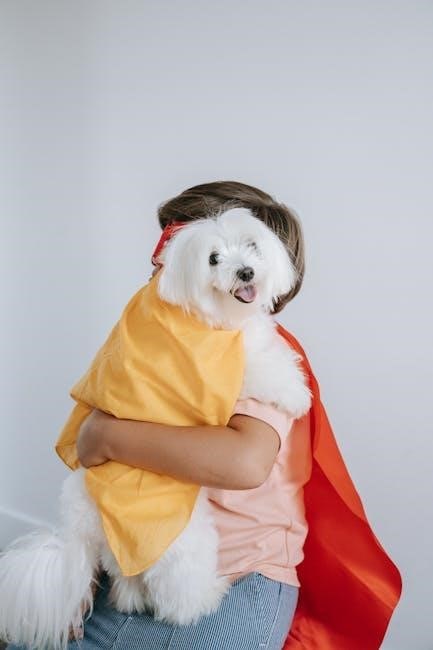
Choosing the Right Dog for Your Family
Finding the perfect pup takes thought! Consider your lifestyle, home size, and family dynamics. Matching a dog’s needs to your family ensures a happy, harmonious life together.
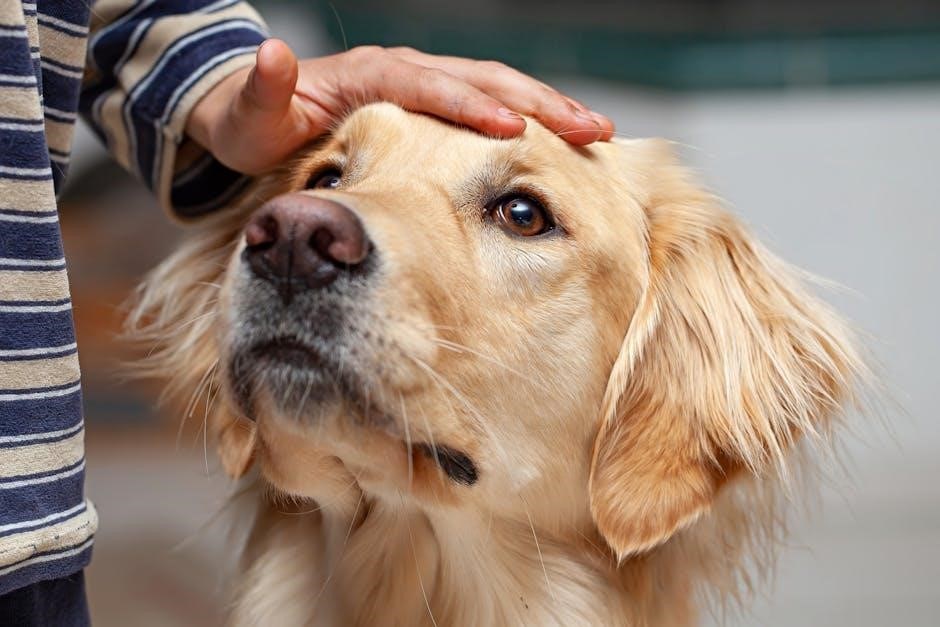
Understanding Different Dog Breeds
Dogs come in all shapes and sizes! It’s amazing how much variety exists within the canine world. Some breeds, like Great Danes, are giants, while others, like Chihuahuas, are tiny enough to fit in your lap. But breed isn’t just about size; it also influences personality and energy levels.
Different breeds were originally developed for different purposes. For example, Labrador Retrievers were bred to retrieve waterfowl for hunters, making them energetic and eager to please. Beagles, with their incredible sense of smell, were used for hunting rabbits. Understanding a breed’s history can give you clues about its natural instincts and temperament.
Some breeds are known for being particularly good with children, while others might be better suited for more experienced dog owners. It’s important to research different breeds and learn about their specific needs before making a decision. Consider factors like grooming requirements, exercise needs, and potential health problems. Choosing a breed that fits your family’s lifestyle is key to a successful and happy relationship!
Family-Friendly Dog Breeds: The Golden Retriever
Meet the Golden Retriever – a classic family dog! These beautiful dogs are known for their friendly, tolerant attitude, making them wonderful companions for children. Golden Retrievers are intelligent and eager to please, which means they are relatively easy to train. They thrive on human interaction and love being part of the family fun.
Originally bred to retrieve waterfowl, Golden Retrievers have plenty of energy and enjoy playing fetch, swimming, and going for walks. They need regular exercise to stay happy and healthy. Their gentle nature and playful spirit make them fantastic playmates for kids of all ages.
Golden Retrievers do require regular grooming to prevent matting, and they shed quite a bit, so be prepared for some fur! However, their loving personalities and unwavering loyalty more than make up for the extra work. They truly are golden-hearted dogs!
Family-Friendly Dog Breeds: The Labrador Retriever
Let’s talk about Labrador Retrievers – another incredibly popular family choice! Labs, as they’re often called, are renowned for their good nature, high spirits, and boundless energy. They’re intelligent, trainable, and incredibly loyal, forming strong bonds with their families. Labs are known to be patient and gentle, making them excellent companions for children.
Like Golden Retrievers, Labs were originally bred as working dogs – specifically, to retrieve game for hunters. This means they need plenty of exercise to stay happy and healthy. Daily walks, runs, or playtime in a securely fenced yard are essential. They also love to swim!
Labs come in three colors: black, yellow, and chocolate. They are generally healthy dogs, but can be prone to certain conditions, so choosing a reputable breeder is important. With their playful personalities and affectionate nature, Labrador Retrievers are sure to bring joy to any family.
Family-Friendly Dog Breeds: The Beagle
Now, let’s meet the Beagle – a small but mighty family friend! Beagles are scent hounds, originally bred for hunting rabbits and other small game. This means they have an incredible sense of smell and a strong instinct to follow their noses, so a secure yard is a must! They are cheerful, curious, and love to explore.
Beagles are relatively small, typically weighing between 18 and 20 pounds, making them a good choice for families with smaller homes. They are energetic and playful, enjoying games and walks, but don’t require as much exercise as larger breeds. Their compact size and sturdy build also make them fairly resilient playmates for children.
Beagles are known for their distinctive baying howl, which they use when tracking scents. They can be a bit stubborn to train, but with patience and positive reinforcement, they can learn basic commands. Beagles are affectionate and enjoy being part of a family pack!
Considering Energy Levels and Size
Before bringing a dog home, think about your family’s lifestyle! A high-energy dog needs lots of exercise – think daily runs, hikes, and playtime. If your family prefers quieter activities, a lower-energy breed might be a better fit. Matching energy levels prevents frustration for both you and your new furry friend.
Size also matters. Large dogs can accidentally knock over small children, while very small dogs might be easily injured during rough play. Consider the space you have available, too. A Great Dane won’t thrive in a small apartment! Think about your home and yard size.
Choosing a dog whose size and energy level align with your family’s capabilities ensures a happy and harmonious relationship. It’s about finding a companion whose needs you can realistically meet, creating a loving environment for everyone involved. A well-matched dog is a happy dog!
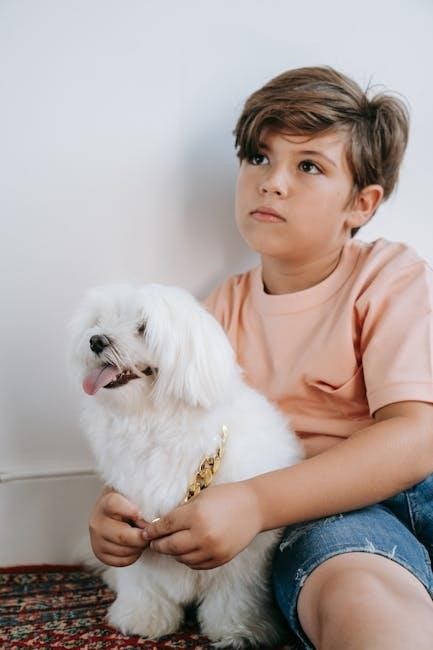
Caring for Your New Dog
Welcome your new family member! Providing proper care – feeding, grooming, training, and safety – is essential for a happy, healthy dog and a wonderful companionship experience.
Feeding Your Dog
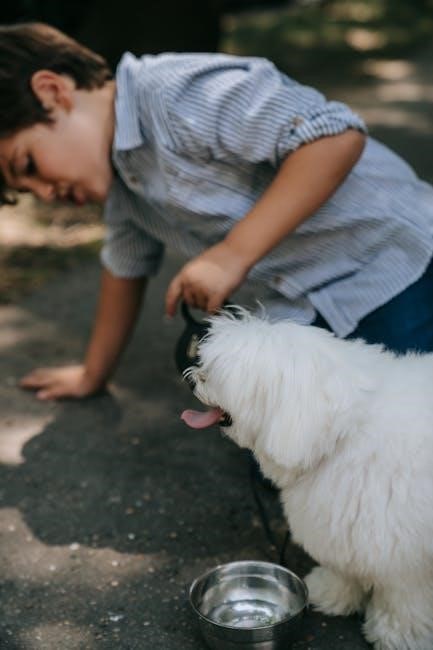
Fueling Your Furry Friend! Just like you need good food to grow and play, your dog needs a healthy diet too! But what does that mean? It’s important to give your dog food specifically made for dogs – human food can sometimes be harmful.
Ask your parents to help you choose a dog food that’s right for your dog’s age, size, and activity level. Puppies need different food than adult dogs, and bigger dogs need more food than smaller ones.
Your dog should always have fresh, clean water available. Follow the feeding guidelines on the dog food bag, but remember these are just suggestions. Your vet can help you determine the perfect amount of food for your pup.
Avoid giving your dog table scraps, especially things like chocolate, grapes, and onions, as these can make them very sick. Treats are okay in moderation, but they shouldn’t make up a large part of their diet; Consistent feeding times help your dog feel secure and happy!
Grooming Your Dog
Keeping Your Pup Looking Paw-some! Grooming isn’t just about making your dog look good – it’s also important for their health! Different dogs need different types of grooming. Some dogs have long hair that needs regular brushing to prevent mats, while others have short hair that needs less attention.
Brushing your dog helps remove loose fur, dirt, and debris; It also distributes natural oils, keeping their coat shiny and healthy. Ask a parent to show you how to brush your dog gently and properly.
Some dogs need regular baths, but too much bathing can dry out their skin. Nail trimming is also important – long nails can be uncomfortable and even painful. Again, always ask a parent for help with these tasks!
Ear cleaning is another important part of grooming. Regularly checking and cleaning your dog’s ears can help prevent infections. Grooming is a great way to bond with your dog and show them you care!
Training Your Dog: Basic Commands
Teaching Your Dog to Be a Star! Training your dog is fun and helps them become a well-behaved member of the family. Start with simple commands like “sit,” “stay,” and “come.” Use positive reinforcement – that means rewarding your dog with treats, praise, or a favorite toy when they do what you ask!
Keep training sessions short and positive. Dogs learn best when they’re having fun. Be patient and consistent. It takes time and repetition for a dog to learn a new command. Ask a parent to help you with training, and always follow their guidance.
“Sit” is a great first command. Hold a treat near your dog’s nose and move it upwards and backwards, encouraging them to sit. Say “Sit” as they lower their bottom. “Stay” builds on “Sit.” Ask them to “Stay” and gradually increase the time they hold the position.
Remember, training builds a strong bond between you and your furry friend!
Dog Safety: Important Rules for Kids
Keeping Yourself and Your Dog Safe! Dogs are amazing companions, but it’s crucial to understand how to interact with them safely. Always ask a grown-up before approaching a dog you don’t know. Never disturb a dog that is eating, sleeping, or caring for puppies.
Avoid running up to a dog and hugging them tightly – this can scare them. Instead, let the dog come to you. Always be gentle when petting a dog, and avoid pulling their ears or tail. If a dog growls, shows their teeth, or tucks their tail, give them space and tell an adult.
Never leave a young child unsupervised with a dog. Even friendly dogs can accidentally knock over a small child. Learn to recognize signs that a dog is uncomfortable or scared. Remember, respecting a dog’s boundaries is key to a safe and happy relationship.
Always wash your hands after playing with a dog!
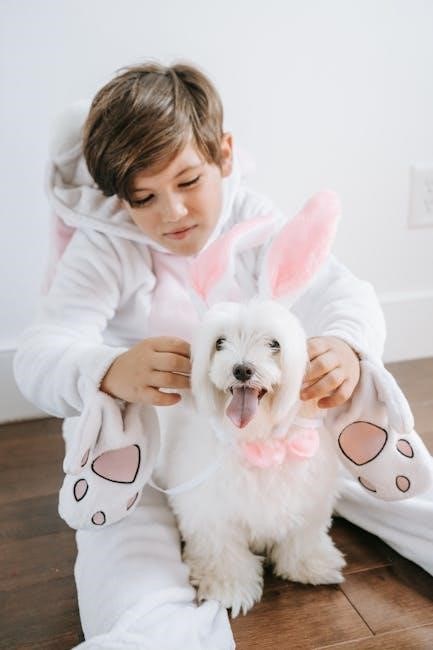
Staying Safe Around Dogs You Don’t Know
Be cautious! Understanding a dog’s body language and respecting their personal space are vital for safety. Always ask the owner before interacting with an unfamiliar dog.
Understanding Dog Body Language
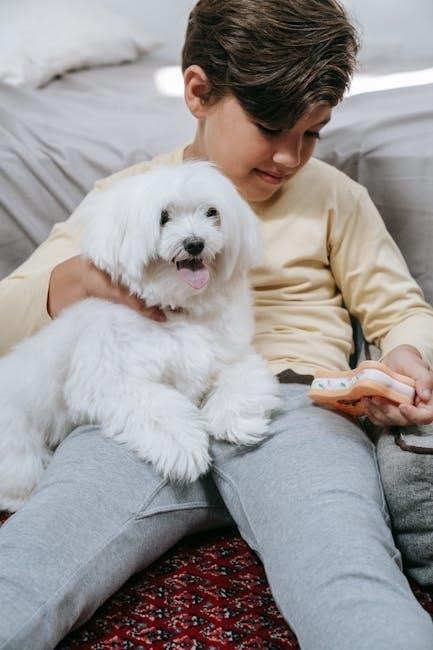
Decoding Dog Signals: Dogs communicate mostly through body language, not words! Learning to “read” a dog is super important for staying safe and being a good friend. A happy dog usually has a relaxed body, a wagging tail (though not always!), and floppy ears. Their mouth might be slightly open, looking like a smile.
However, a dog showing signs of stress or fear might tuck their tail, flatten their ears, or lick their lips repeatedly. They might also yawn when they aren’t tired, or look away from you. These are signals that the dog isn’t comfortable and needs space. A stiff body, staring, and a raised hackle (the fur on their back standing up) can mean a dog is feeling threatened.
Important Reminders: Never approach a dog that looks scared or angry. Always let the dog come to you, and be gentle. If a dog is growling, it’s a warning – back away slowly! Recognizing these signals helps you understand what a dog is trying to tell you, keeping both you and the dog safe and happy.
Respecting a Dog’s Space
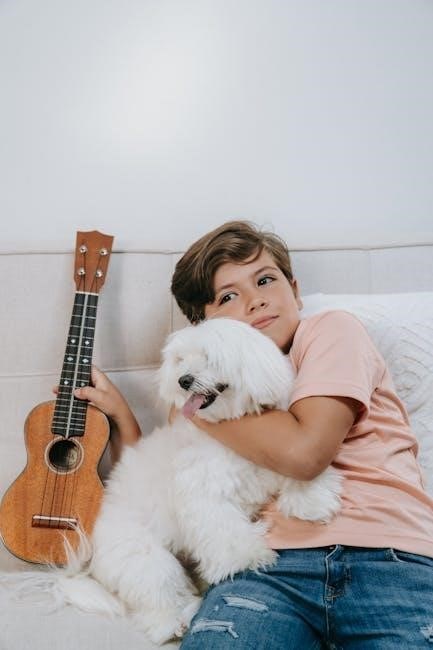
Personal Bubble for Pups: Just like people, dogs need their personal space! It’s crucial to understand that a dog isn’t always up for hugs or playtime, even if they’re your best furry friend. Always ask an adult before approaching a dog you don’t know, and even with your own dog, watch for their signals.
Never sneak up on a dog, especially when they’re sleeping or eating. These are times when they feel most vulnerable. Avoid hugging or kissing a dog on the face, as many dogs find this scary. Instead, offer a gentle scratch under the chin or on the chest, if the dog seems receptive.
Safe Interactions: If a dog walks away from you, let them go! Don’t chase after them. Provide a safe space, like a bed or crate, where the dog can retreat when they need some quiet time. Respecting a dog’s space builds trust and ensures happy, safe interactions for everyone involved.