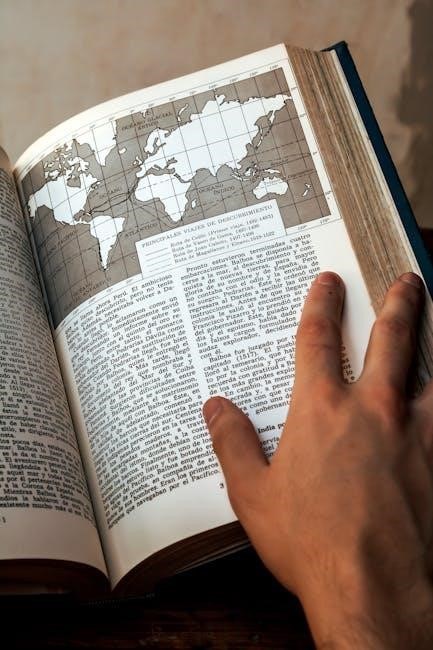
The Enduring Symbolism of “A Hand to Guide Me”
Throughout history, the metaphor of hands guiding hands resonates deeply, symbolizing support, direction, and connection across diverse cultures and belief systems.
This imagery, often representing a guiding hand, speaks to humanity’s innate need for assistance and the enduring power of mentorship and intervention.
Historical and Cultural Context
Throughout history, the concept of a “hand to guide me” manifests in diverse cultural narratives. Ancient Egyptian art frequently depicts deities leading or supporting pharaohs, symbolizing divine right and guidance. Similarly, Greco-Roman mythology features gods actively intervening in human affairs, often through a helping hand or protective gesture.
In Eastern traditions, such as Buddhism and Hinduism, the mudras – symbolic hand gestures – convey blessings, protection, and spiritual guidance. Medieval European art often portrays saints and angels offering assistance or leading souls towards salvation. The prevalence of these images demonstrates a universal human longing for support and direction. The metaphor of a guiding hand transcends geographical boundaries, appearing in folklore, religious texts, and artistic expressions worldwide, consistently representing hope, protection, and the transmission of wisdom across generations.
The Hand as a Metaphor Throughout History
The hand, as a metaphor, has consistently symbolized power, agency, and connection throughout history. A guiding hand specifically evokes notions of control, assistance, and the transfer of knowledge. In ancient civilizations, depictions of rulers extending their hands signified authority and dominion, while offering a hand represented benevolence and protection.
Medieval illuminated manuscripts often showcased divine hands reaching down to bless or intervene in earthly events. Renaissance art frequently employed hands to convey emotion, intention, and spiritual grace. The gesture of a hand offering support became synonymous with compassion and empathy. This enduring symbolism highlights the hand’s capacity to represent both dominance and nurturing, reflecting the complex duality of human interaction and the enduring need for guidance.
Religious Interpretations of Guiding Hands
Across numerous religions, the image of a guiding hand embodies divine intervention and spiritual support. In Judeo-Christian traditions, God’s hand is frequently depicted as actively shaping events and leading humanity. The Old Testament references God’s “strong hand” delivering his people, while the New Testament portrays Jesus extending his hand to heal and offer salvation.
Similarly, in Islamic art and theology, the “Hand of God” symbolizes power and providence. Eastern religions, like Hinduism and Buddhism, often feature mudras – symbolic hand gestures – representing spiritual states and divine blessings. These interpretations consistently portray a guiding hand as a manifestation of a higher power offering protection, direction, and ultimately, a path towards enlightenment or salvation.

The Psychological Impact of Guidance
Guidance profoundly impacts our psyche, fulfilling a fundamental need for support and direction, fostering resilience, and mitigating feelings of helplessness and vulnerability.
The Need for Support and Direction
Humans are inherently social creatures, deeply wired for connection and reliant on others for growth and well-being. This foundational need manifests as a longing for support and direction, particularly during times of uncertainty or challenge. The image of “a hand to guide me” powerfully encapsulates this yearning.
From infancy, we seek a guiding presence – a caregiver’s hand to steady us as we learn to walk, a mentor’s hand to navigate complex life decisions. This isn’t merely about practical assistance; it’s about emotional reassurance, validation, and the transmission of wisdom.
Without such guidance, individuals may experience feelings of isolation, anxiety, and a diminished sense of self-efficacy. A supportive hand provides a crucial anchor, fostering confidence and empowering individuals to navigate life’s complexities with greater resilience and purpose.
The Role of Mentorship and Role Models
Mentorship and the presence of positive role models embody the “hand to guide me” metaphor in its most potent form. These relationships offer more than just advice; they provide a blueprint for navigating life’s challenges, demonstrating resilience, integrity, and a clear sense of purpose.
A mentor’s hand isn’t about dictating a path, but rather about offering support, encouragement, and constructive feedback. They help individuals identify their strengths, overcome obstacles, and cultivate a belief in their own potential. Role models, through their actions and achievements, inspire us to strive for excellence.
These guiding figures provide a safe space for vulnerability, fostering self-awareness and promoting personal growth. Their influence extends far beyond immediate guidance, shaping values and instilling a lifelong commitment to learning and self-improvement.
Overcoming Feelings of Helplessness
The sensation of helplessness can be profoundly debilitating, leaving individuals feeling lost and overwhelmed. Seeking “a hand to guide me” in these moments isn’t a sign of weakness, but a courageous acknowledgment of vulnerability and a proactive step towards regaining control.
External support, whether from a trusted friend, family member, or professional, can provide a lifeline, offering perspective and practical assistance. This guidance helps to break down overwhelming challenges into manageable steps, fostering a sense of agency and empowerment.

Recognizing that asking for help is a strength, not a flaw, is crucial. A guiding hand can illuminate pathways forward, restoring hope and enabling individuals to navigate difficult circumstances with renewed resilience and self-belief.

Exploring the “Guiding Hand” Metaphor
The “guiding hand” embodies multifaceted symbolism: power, control, nurturing care, and even divine intervention, shaping perceptions of support and direction throughout life.
The Hand as a Symbol of Power and Control
The hand, as a symbol, frequently represents authority and the capacity to influence outcomes, extending beyond simple assistance to encompass control. A guiding hand can signify a deliberate shaping of events, directing someone along a predetermined path, potentially limiting their agency.
This interpretation isn’t inherently negative; a strong leader might offer a guiding hand to steer a team towards success. However, the metaphor also carries a cautionary undertone, hinting at the possibility of manipulation or the suppression of individual will. The strength of the grip, the firmness of the hold, all contribute to the perception of power dynamics at play.
Historically, depictions of rulers or deities often feature outstretched hands, bestowing blessings or issuing commands, reinforcing this association with dominion and control. Recognizing this duality is crucial when analyzing the symbolism of a guiding hand.
The Hand as a Symbol of Nurturing and Care
The hand universally embodies tenderness and support, particularly in the context of a guiding hand. This symbolism evokes images of parental care, a comforting touch, and the gentle direction offered during times of vulnerability. It represents a protective presence, offering reassurance and fostering growth.
A guiding hand can symbolize the nurturing influence of mentors, teachers, or loved ones, providing encouragement and helping individuals navigate life’s challenges. This aspect emphasizes empathy, compassion, and the selfless act of assisting others without seeking control.
Throughout art and literature, hands are often depicted offering solace or assistance, reinforcing this connection to care and protection. This interpretation highlights the positive potential of guidance, fostering confidence and well-being.
The Hand as a Symbol of Divine Intervention
The hand frequently represents a higher power’s influence, acting as a conduit for divine intervention and grace. A guiding hand in this context signifies a benevolent force steering individuals towards a righteous path or offering solace during hardship. This symbolism is deeply rooted in religious traditions, portraying God or spiritual entities as actively involved in human affairs.
Historically, artistic depictions often showcase a hand descending from the heavens, symbolizing divine assistance or protection. This imagery reinforces the belief in a guiding presence beyond human comprehension, offering hope and reassurance.
The concept suggests that even in moments of despair, a higher power is present, offering subtle guidance and support. This interpretation fosters faith and trust in a benevolent universe.

Applications of the Metaphor in Modern Life
Today, the “hand to guide me” metaphor manifests in supportive relationships, mentorship programs, and therapeutic practices, fostering growth and resilience.
Parenting and Child Development
The “hand to guide me” profoundly shapes parenting, representing a parent’s role in nurturing a child’s development. Initially, this is literal – a hand to steady first steps, offering physical support and security.
As children grow, the guiding hand evolves into emotional support, providing direction, and instilling values. Effective parenting isn’t about control, but about offering a secure base from which children can explore and learn, fostering self-reliance.
This guidance helps children navigate challenges, build confidence, and develop a strong sense of self. It’s about empowering them to eventually find their own “hand” – their inner strength and intuition – while knowing a supportive presence remains.
Leadership and Team Dynamics
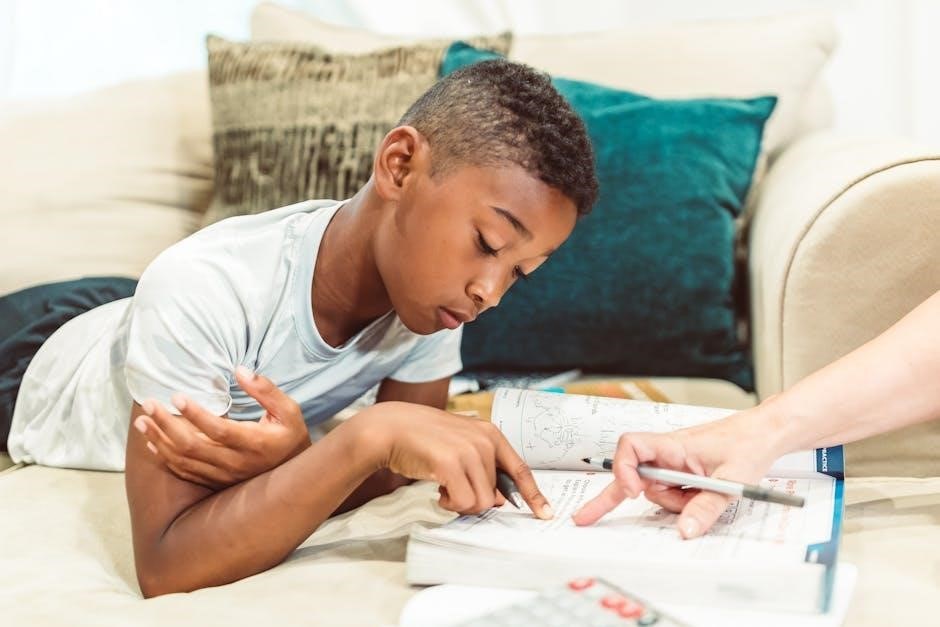
In leadership, “a hand to guide me” translates to visionary direction coupled with empathetic support. Effective leaders don’t dictate, but rather empower their teams, offering guidance and resources to achieve collective goals.
This involves fostering a collaborative environment where individuals feel safe to take risks, learn from mistakes, and contribute their unique skills. A guiding hand provides clarity of purpose, navigates challenges, and champions team members’ growth.
It’s about striking a balance between providing direction and allowing autonomy, ultimately cultivating a high-performing team capable of self-leadership and innovation. The best leaders inspire others to find their hand in contributing to success.
Therapy and Counseling
Within therapy, “a hand to guide me” embodies the therapeutic relationship – a safe, supportive space where individuals explore vulnerabilities and navigate personal challenges. The therapist offers a guiding presence, not to solve problems for the client, but to facilitate self-discovery and empower informed decision-making.
This guidance involves active listening, empathetic understanding, and the provision of tools and techniques to address emotional distress and behavioral patterns. It’s about helping individuals develop self-reliance and trust their intuition, ultimately finding their own internal compass.
The therapeutic hand gently supports the journey towards healing and growth, fostering resilience and a stronger sense of self.

The “Hand to Guide Me” in Literature and Art
Classic literature and visual arts frequently depict guiding hands, symbolizing divine intervention, mentorship, or fate’s influence on characters’ journeys and destinies.
Examples in Classic Literature
Throughout literary history, the motif of a “hand to guide me” manifests in various forms, often representing divine providence or a crucial mentor’s influence. Consider Virgil’s Aeneid, where deities subtly steer Aeneas towards his destiny, a metaphorical hand shaping his path.
Shakespeare’s plays also showcase this theme; characters frequently grapple with fate, often feeling pushed or pulled by unseen forces – a symbolic hand at play. In Dante’s Inferno, Virgil acts as a guiding hand, leading Dante through the harrowing depths of Hell, offering knowledge and protection.
Even in more modern works, like C.S. Lewis’s The Chronicles of Narnia, Aslan’s presence embodies a powerful, guiding hand, subtly influencing events and characters towards a greater good. These examples demonstrate the enduring appeal of this metaphor, reflecting humanity’s search for meaning and direction.
Visual Representations in Painting and Sculpture
Throughout art history, artists have visually depicted the “hand to guide me” metaphor, often employing religious or allegorical imagery. Renaissance paintings frequently portray God’s hand reaching down to Adam, symbolizing divine creation and ongoing guidance. Michelangelo’s The Creation of Adam is a prime example of this iconic representation.
Sculptures, too, capture this theme; depictions of angels guiding mortals or protective figures offering a hand symbolize support and intervention. Baroque art often features dramatic gestures of hands, conveying power and direction.
More abstract representations utilize hands as symbols of control or nurturing, subtly suggesting a guiding force. These visual cues tap into a universal understanding of the hand as a powerful symbol of assistance and destiny.
Modern Interpretations in Film and Music
Contemporary film frequently employs the “hand to guide me” motif, often subverting traditional interpretations. A guiding hand can represent manipulation or control, rather than benevolent assistance, exploring the darker side of influence. Scenes depicting a character being led astray or controlled by another utilize this symbolism effectively.
In music, lyrics and music videos often portray the search for guidance, with hands symbolizing hope, rescue, or a connection to something greater. Artists use imagery of reaching hands to convey themes of vulnerability and the need for support.
Modern interpretations often deconstruct the metaphor, questioning the nature of guidance and the potential for autonomy.

The Dark Side of Guidance
Guidance can become manipulation, cloaking control as help, leading to a loss of autonomy and independence; recognizing unhealthy influence is crucial for self-preservation.
Manipulation and Control Disguised as Help
The guise of a “helping hand” can unfortunately conceal manipulative intent, subtly eroding one’s agency and self-determination. What initially appears as benevolent guidance can morph into a controlling force, dictating choices under the pretense of care. This often involves undermining confidence, fostering dependence, and isolating individuals from alternative perspectives.
Subtle forms of control, such as guilt-tripping or emotional blackmail, are frequently employed to steer decisions. The manipulator may present their desires as the only logical path, dismissing dissenting opinions as naive or ill-informed. Over time, this can lead to a diminished sense of self and an inability to trust one’s own judgment. Recognizing these patterns is vital to reclaiming personal power and establishing healthy boundaries.
Ultimately, true guidance empowers, while manipulation restricts. A genuinely supportive hand offers options, not directives, fostering growth and independence rather than dependence and control.
The Loss of Autonomy and Independence
Over-reliance on a “guiding hand” can inadvertently lead to a gradual erosion of autonomy, diminishing one’s capacity for independent thought and action. When decisions are consistently deferred to another, the muscles of self-reliance atrophy, fostering a sense of helplessness and learned dependence. This isn’t necessarily malicious; sometimes, well-intentioned support can unintentionally stifle personal growth.
The subtle relinquishing of control, decision by decision, can create a pattern where one feels incapable of navigating life’s challenges without external direction. This loss of agency can manifest as anxiety when faced with choices, a fear of failure, and a diminished sense of self-worth.
Reclaiming independence requires a conscious effort to trust one’s own intuition and embrace the possibility of making mistakes – essential components of self-discovery.
Recognizing Unhealthy Guidance
Distinguishing between supportive guidance and manipulative control is crucial. Unhealthy guidance often masquerades as help, subtly undermining self-esteem and fostering dependence. Red flags include consistent criticism disguised as constructive feedback, attempts to isolate you from other perspectives, and decisions made for you rather than with you.
Pay attention to your emotional response. Does the guidance leave you feeling empowered and capable, or diminished and insecure? A truly supportive hand encourages growth, while a controlling one seeks to maintain power. Look for patterns of behavior that prioritize the guide’s needs over your own.
Trust your instincts; if something feels off, it likely is.
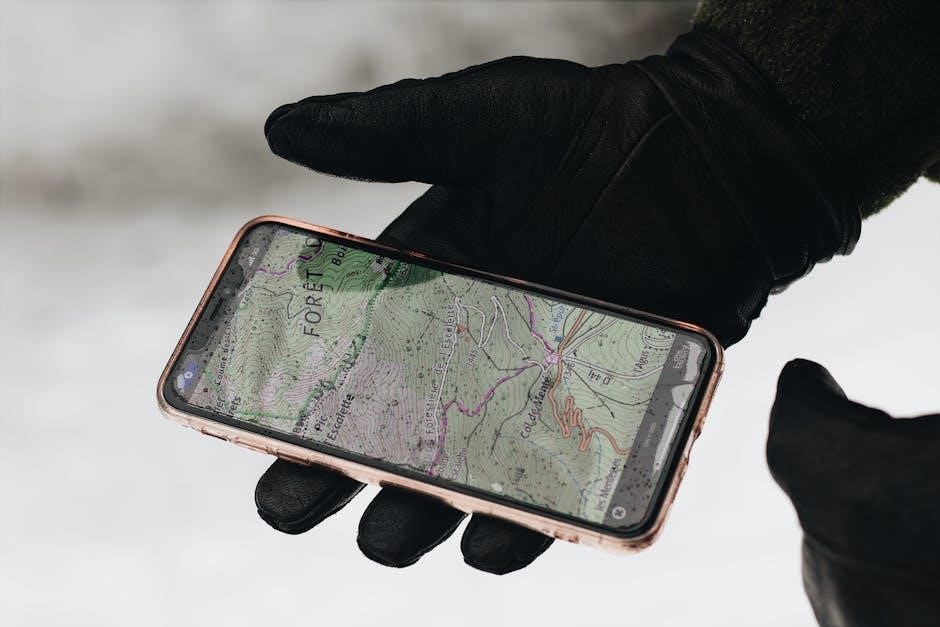
The Importance of Finding Your Own Hand
Ultimately, true empowerment lies in self-reliance. Developing trust in your intuition and embracing imperfection allows you to navigate life’s journey authentically.
Finding your own “hand” signifies independence and the courage to forge your unique path.
Developing Self-Reliance
Cultivating self-reliance is a gradual process, moving beyond dependence on external guidance towards internal fortitude. It requires acknowledging your capabilities and trusting your judgment, even amidst uncertainty.
This isn’t about rejecting help entirely, but rather about discerning when to seek advice and when to rely on your own inner compass.
Embrace challenges as opportunities for growth, learning from both successes and failures.
Practice making independent decisions, starting with smaller choices and gradually tackling more significant ones.
Recognize that setbacks are inevitable, but they don’t diminish your inherent worth or potential.
Self-reliance isn’t about isolation; it’s about possessing the inner strength to navigate life’s complexities with confidence and authenticity, ultimately finding your own “hand” to steer your course.
Trusting Your Intuition

Intuition, often described as a “gut feeling,” is a powerful internal compass that guides us when rational thought falls short. Learning to trust this inner voice is crucial for navigating life independently, lessening the need for constant external direction.
It’s about recognizing subtle cues – physical sensations, emotional responses, and instinctive knowing – that offer valuable insights.
Quiet the noise of external expectations and societal pressures to better hear your own inner wisdom.
Start by paying attention to your initial reactions in various situations, and reflect on whether they align with your values and authentic self.
Embrace the courage to act on your intuition, even when it defies logic, and learn from the outcomes.
Your intuition is a unique “hand” guiding you towards a fulfilling and authentic path.
Embracing Imperfection
The pursuit of a perfectly guided life is often a source of anxiety and self-doubt. Recognizing and embracing imperfection is vital for fostering self-reliance and releasing the need for constant external validation.
Understand that stumbles and missteps are inevitable parts of the journey, offering valuable learning opportunities.
A “hand to guide” doesn’t eliminate challenges; it offers support through them.
Shift your focus from achieving flawless outcomes to cultivating resilience and self-compassion.
Allow yourself the freedom to experiment, make mistakes, and grow from those experiences without harsh self-criticism.
True strength lies not in avoiding errors, but in gracefully navigating them, trusting your ability to adapt and learn;